A good helper for regulating blood lipids – soybeans
In an era where modern dietary habits and sedentary lifestyles have led to a rise in cardiovascular concerns, managing blood lipid levels has become a priority for many. While medication is often a focus, the foundation of heart health lies in the kitchen. Among the most powerful natural allies in this fight is the humble soybean. Far more than just a versatile food source for milk, tofu, and snacks, soybeans are packed with unique bioactive compounds that act as “internal experts” for your vascular system.
This article explores how soybeans differ from other legumes and dives into the seven specific nutritional components—ranging from high-quality soy proteins to phytosterols—that work synergistically to lower “bad” cholesterol, prevent plaque buildup, and support long-term heart health. Discover why incorporating this ancient staple into your modern diet might be the simplest step you take toward better blood lipid regulation.
Why soybeans are so popular
Soybean’s contribution to improving blood lipids
Bad living and eating habits have caused many people to have high blood lipids. If you want to improve blood lipids, adjusting your diet is the basis, and soybeans contain seven experts that protect blood vessels and regulate blood lipids.
Seven healthy ingredients in soybeans
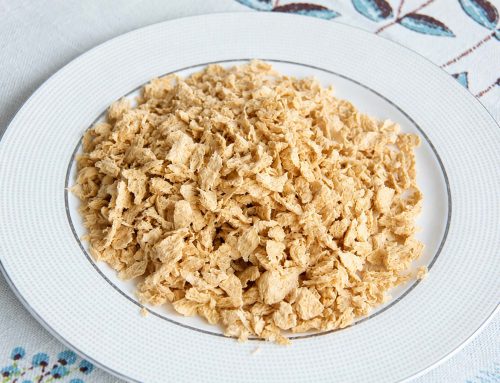
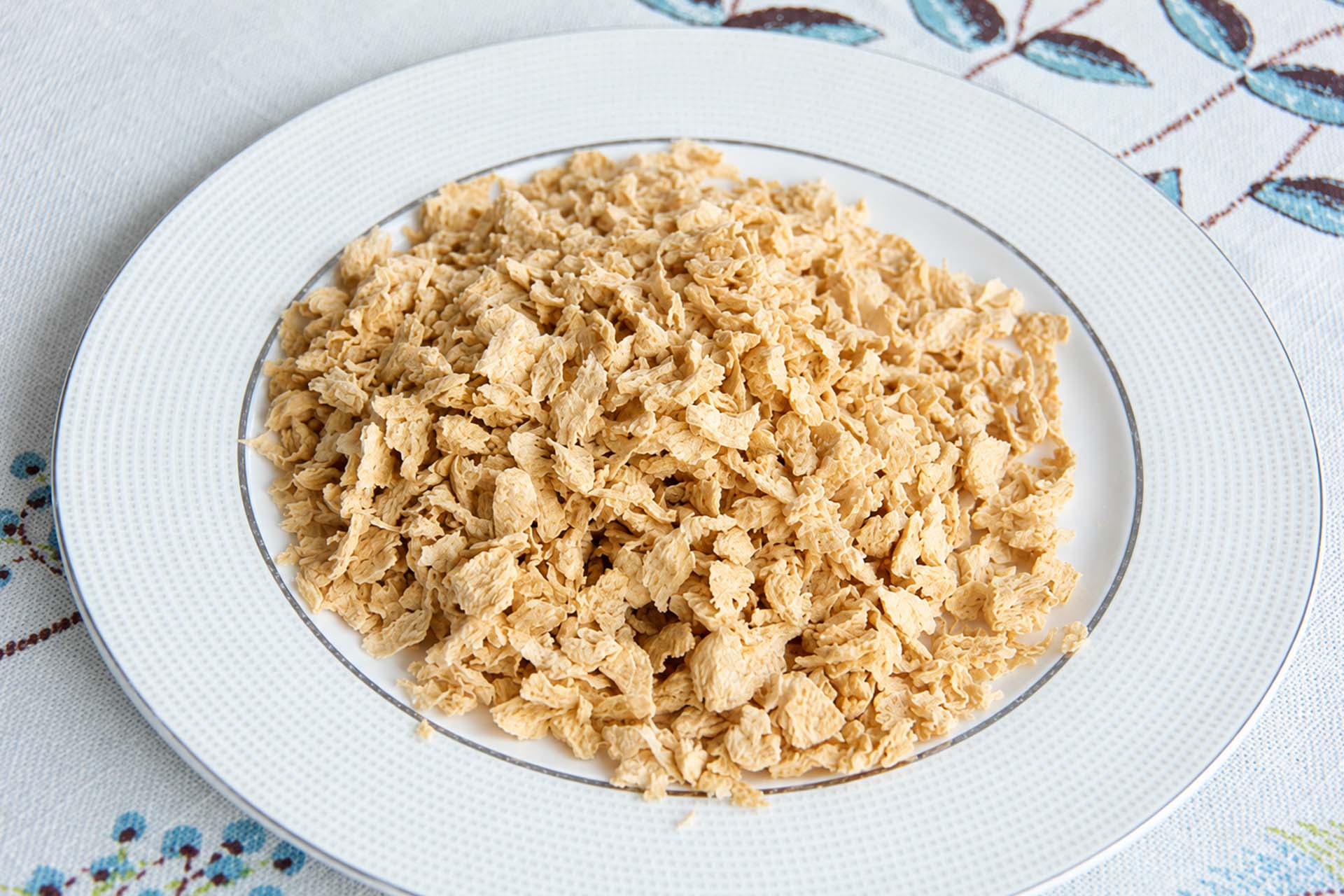
1. Soy protein.
Replacing some animal protein with soy protein can help reduce LDL cholesterol (“bad” cholesterol), thereby reducing the risk of atherosclerosis and cardiovascular disease.
2. Soy isoflavones.
Soy isoflavones have certain antioxidant effects, which are helpful in scavenging free radicals in the human body, preventing lipid peroxidation, and preventing cardiovascular diseases.
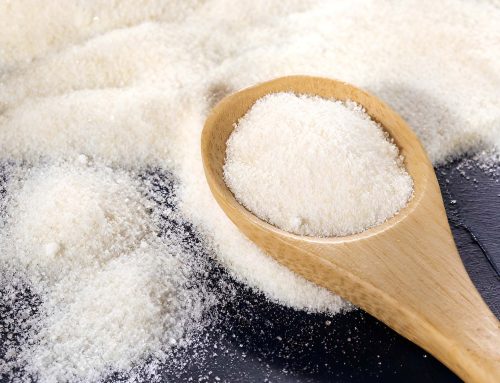
3. Soy lecithin.
Soy lecithin helps improve fat absorption and utilization, prevent cholesterol deposition in blood vessels, reduce blood viscosity, promote blood circulation, and prevent cardiovascular diseases.
4. Polyunsaturated fatty acids.
Soybean fat contains more than 80% unsaturated fatty acids, which can promote the normal transport and metabolism of cholesterol, prevent the deposition of cholesterol on blood vessel walls, and help reduce “bad” cholesterol and total triglycerides in the blood, thereby reducing hyperlipidemia and Atherosclerosis risk.
5. Vitamin E.
Soybeans are a good source of vitamin E, which can inhibit the activity of the rate-limiting enzyme for cholesterol synthesis in the body, thereby lowering plasma cholesterol levels.
When vitamin E is lacking, platelet aggregation and coagulation will be abnormally enhanced, increasing the risk of myocardial infarction and stroke.
6. Dietary fiber.
Soybeans are rich in dietary fiber, which can regulate intestinal health, enhance satiety, delay the rise in blood sugar after meals, inhibit excessive absorption of fat and cholesterol, and reduce serum cholesterol concentration, thereby benefiting cardiovascular health.
7. Phytosterols.
Plant sterols have a similar structure to cholesterol and can competitively inhibit the absorption of excess cholesterol.
In addition, the University of Pittsburgh found that a metabolite produced after eating soybeans can reduce a key risk factor for dementia and prevent Alzheimer’s disease.
The difference between soybeans and other beans
Miscellaneous beans cannot replace soybeans. The nutritional value of soybeans is essentially different from that of miscellaneous beans, such as mung beans, red beans, lentils, broad beans, kidney beans, etc. The latter beans contain more than 50% starch and very little fat, while soybeans contain almost no starch.
The protein content of soybeans is much higher than that of miscellaneous beans, and the quality is also better. Soybeans contain mostly no fat, making them an ideal food for patients with cardiovascular and cerebrovascular diseases. Miscellaneous beans provide a large amount of starch, potassium, vitamin B1, etc., and are the perfect partner for white rice and flour in the staple food.